
No products in the cart.
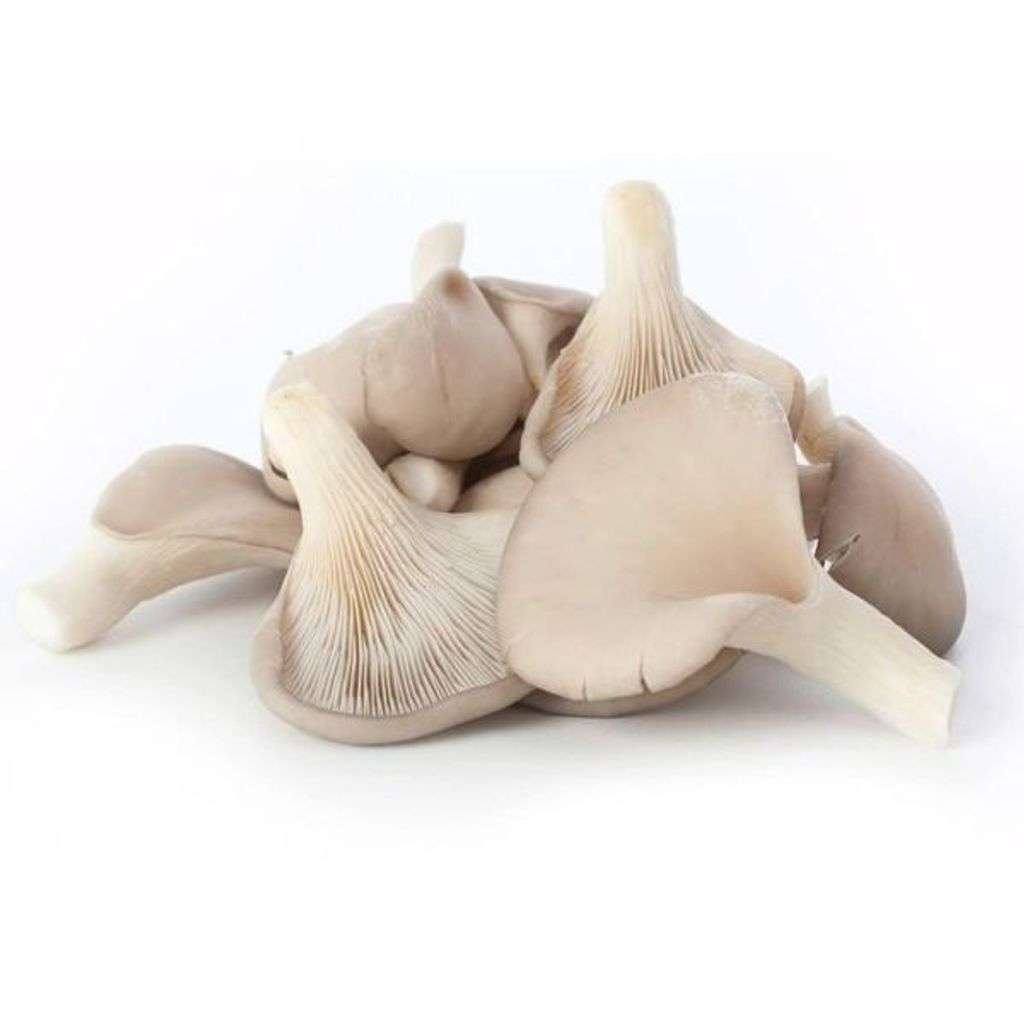
Abalone Oyster (Pleurotus cystidiosus) | The Perlemoen “Steak” of the Oyster World �� The Meatiest Oyster in Existence. The Abalone Oyster is a different beast entirely from your standard Pearl or Blue Oyster. While most Oysters have a soft, delicate structure, the Abalone is dense, firm, and incredibly substantial. When sliced and seared, it doesn’t just wilt away—it holds its shape and develops a “chew” that is strikingly similar to abalone or scallops. For vegans and gourmet chefs, this is the ultimate “seafood” substitute. ���� STS Cultivation Insights: The Heat-Loving “Ace” At the Sustainability Testing Station, we consider this our “Summer Powerhouse.” While the Pearl Oyster is shivering in the winter, the Abalone is just getting started. Heat Tolerance: This strain thrives in the heat (25°C – 30°C is no problem!). It is the perfect crop for the peak of the South African summer. Unique “Coremia” Pins: This is the cool part for the “Purists.” Before the caps form, the mycelium often produces tiny black droplets on stalks called coremia. Don’t panic—this isn’t a contaminant! It’s a unique biological signature of the cystidiosus species. Aggressive Longevity: The mycelium is extremely “tough.” It colonizes substrate with a thick, leathery white mat that is highly resistant to drying out. �� The Commercial “Secret Weapon” Shelf Life: Because of its density, it has the best shelf life of any Oyster. It doesn’t bruise easily and stays firm in the fridge for significantly longer than its cousins. Weight for Volume: You get more “weight” per cluster. A single cap can be as thick as a steak, making it easy to package and sell as a premium, high-value item. �� Culinary Profile: The Umami “Bite” The flavor is mild but sophisticated, with a savory, earthy finish. Because it is so dense, it absorbs marinades beautifully. It is best prepared by “scoring” the cap (cutting a diamond pattern) and pan-frying it in garlic butter or soy sauce until golden brown. Quick Cultivation Facts: Scientific Name: Pleurotus cystidiosus Special Feature: Extreme Heat Tolerance & “Abalone-like” texture. Fruiting Temp: $22°C – 32°C (The hotter, the better!). Pro Tip: Give this strain plenty of space! Because the caps get so thick and heavy, they need strong Fresh Air Exchange (FAE) to develop that iconic “fan” shape without becoming “stumpy.”
Brand
Kaspersky