
No products in the cart.
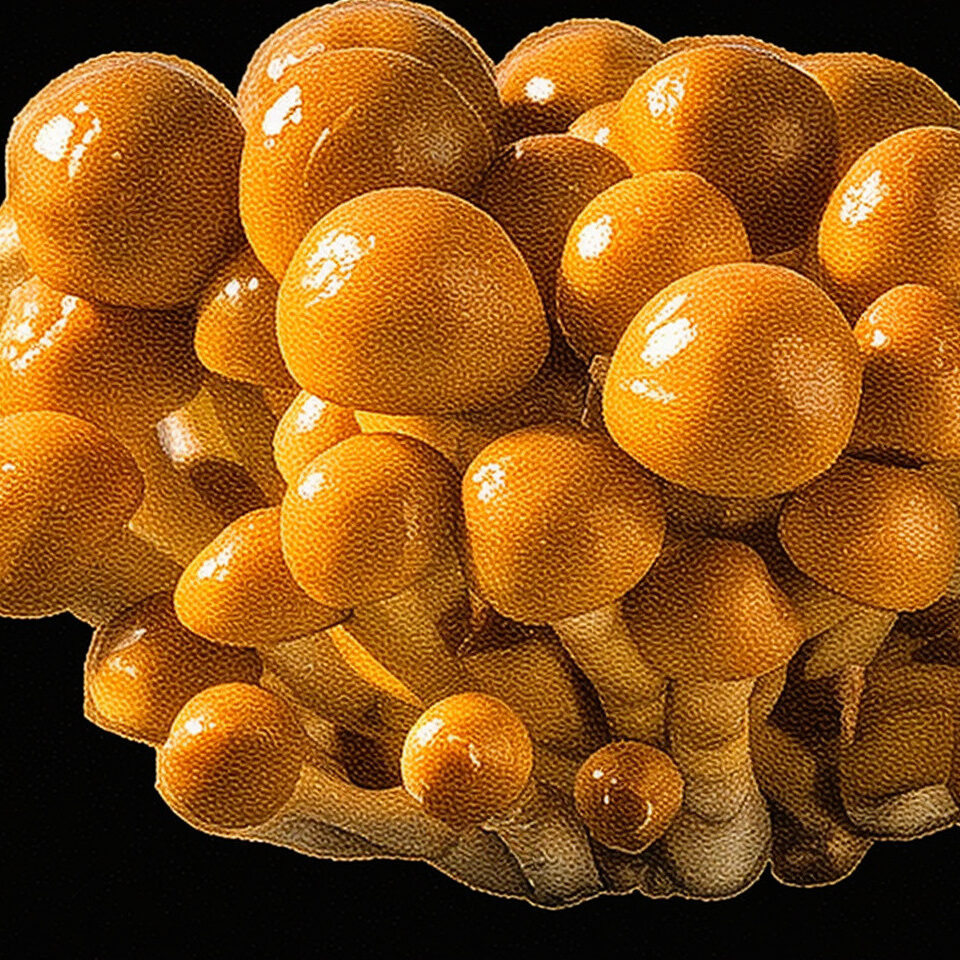
Nameko Mushroom (Pholiota nameko) | The Silky “Amber” Gourmet �� The Secret to the Perfect Miso Also known as Cinnamon Cap, the Nameko (Pholiota nameko) is legendary in Asian cuisine. It is easily identified by the natural, glossy “gelatinous” coating on its amber caps. While Westerners are sometimes surprised by this at first, this “glaze” is the secret to its culinary magic—it acts as a natural thickener, adding a luxurious, silky body to soups, stews, and sauces. �� Culinary Profile: The Nutty Velvet Once cooked, the Nameko loses its slipperiness and transforms into a mushroom with a firm, “pop-in-the-mouth” texture and a flavor that is distinctly nutty, earthy, and sweet. The “Nameko Experience”: It is the traditional heart of Miso soup. It doesn’t shrink or go “floppy” like an Oyster; it maintains its beautiful button shape even after long simmering. Versatility: Try it in a risotto or as a sautéed topping for steak—the natural glaze creates a built-in “sauce” that carries flavor beautifully. ���� STS Cultivation Insights: The Cool-Room Gem At the Sustainability Testing Station, we have refined the triggers for this specific Pholiota strain. The “Chill” Factor: Nameko is a temperate species. It thrives in the cooler shoulder seasons or winter months (10°C – 16°C). If your grow room is a bit too cold for Pink Oysters, it’s the perfect time for Nameko. High Humidity is Non-Negotiable: To maintain that iconic glossy coating and prevent the pins from drying out, you need to keep your humidity at 90-95%. This is where our STS Fogging Systems really earn their keep. Top-Fruiting Clusters: Like its Chestnut cousin, it loves to grow in dense, vertical “bouquets.” It performs exceptionally well on supplemented hardwood sawdust. �� Market Potential: The “Artisan” Edge Because Nameko is rarely found fresh in South African supermarkets, it represents a massive opportunity for small-scale gourmet farmers. Fresh vs. Canned: There is no comparison. Fresh Nameko has a vibrant color and snap that canned versions cannot match. Visual Appeal: The bright, “butterscotch” colored caps look incredible in boutique packaging. Quick Cultivation Facts: Scientific Name: Pholiota nameko Fruiting Habit: Vertical, dense clusters (Top-fruiting). Fruiting Temp: 10°C – 18°C (Prefers the cold). Pro Tip: Harvest while the caps are still small and the “veil” is intact. This is when the flavor is most concentrated and the texture is at its “silky” peak.
Brand
Kaspersky